Category

Business

Category

The textile industry is often criticized for its environmental footprint, encompassing high water usage, chemical pollution, and substantial waste. However, a growing number of companies are turning the tide by adopting more sustainable practices. Kaztex Textiles is a prime example of how businesses can effectively integrate eco-friendly initiatives into their operations. This article explores how sustainable practices in textile wholesaling not only benefit the environment but also offer a competitive advantage in the marketplace.

Emphasizing Eco-Friendly Materials

Kaztex Textiles has committed to sourcing sustainable materials as a core aspect of its business model. By utilizing organic cotton, recycled polyester, and other low-impact fabrics, the company significantly reduces its environmental impact. These materials require less water and pesticides compared to conventional textile production, and recycling polyester reduces the reliance on virgin plastics, thus minimizing waste and energy consumption.

Energy Efficiency in Production

Another critical area where Kaztex Textiles excels is in optimizing energy consumption. The company has invested in energy-efficient machinery and technology that lowers its carbon footprint. Solar panels and wind turbines are also increasingly common in their facilities, ensuring that renewable resources power a significant portion of their production process. Such initiatives not only reduce greenhouse gas emissions but also lower operational costs over time.

Waste Reduction Strategies

Waste reduction is a pivotal aspect of sustainable wholesaling practices. Kaztex Textiles employs several strategies to minimize waste, including efficient cutting techniques to reduce fabric scraps and implementing recycling programs within their factories. Additionally, the company collaborates with other industries to repurpose textile waste, transforming it into new products such as insulation materials and automotive textiles. This not only prevents landfill waste but also promotes a circular economy.

Water Conservation Efforts

Water conservation is particularly crucial in textile manufacturing, which traditionally consumes large quantities of water. Kaztex Textiles addresses this issue by using advanced water recycling systems that clean and reuse water multiple times within the production cycle. By doing so, they significantly reduce the volume of water withdrawn from natural sources and decrease the pollution load discharged into the environment.

Building a Sustainable Supply Chain

Finally, Kaztex Textiles recognizes the importance of a sustainable supply chain. They ensure that their suppliers adhere to strict environmental standards, promoting sustainable practices throughout the entire production and distribution process. This includes auditing suppliers for compliance with environmental regulations and encouraging them to adopt greener technologies and methods.

In conclusion, Kaztex Textiles exemplifies how textile wholesalers can play a crucial role in promoting sustainability within the industry. By adopting eco-friendly materials, enhancing energy efficiency, reducing waste, conserving water, and ensuring a sustainable supply chain, the company not only protects the environment but also strengthens its market position. As more companies follow in the footsteps of Kaztex Textiles, the textile industry can look forward to a greener, more sustainable future.

 

Numerous advantages over conventional HVAC systems make mini split builders, also known as ductless mini split systems, a popular choice for both residential and commercial applications. Let’s take a closer look at the main advantages of using a mini split builder. This innovative tool streamlines the process of selecting Custom Mini Split Builder, ensuring optimal performance and energy efficiency.

  1. Energy Productivity:

Heating and cooling systems that use very little energy are known as mini split builders. Mini splits deliver conditioned air directly to the indoor spaces they serve, minimizing energy losses, in contrast to central HVAC systems that lose energy through ductwork. In addition, inverter technology is present in a lot of mini split models. This technology adjusts the compressor speed to match the demand for heating or cooling, resulting in optimized energy consumption and lower utility bills.

  1. Capabilities in Zoning:

The ability to zoning, which allows for independent temperature control in various zones or areas of a building, is one of the most distinctive features of mini split builders. Users are able to customize comfort levels based on individual preferences and occupancy patterns because each indoor air handling unit can be controlled independently. This drafting highlight advances energy use by keeping away from pointless warming or cooling of empty spaces.

  1. Installation Ease:

Smaller than expected split developers are ductless frameworks that require negligible establishment work contrasted with customary central air frameworks. Mini splits are ideal for retrofitting older buildings or adding climate control to areas with limited space because they do not require ductwork and are easier to install. Additionally, mini split components’ compact size makes it possible to install them in a variety of ways, including on the floor, the ceiling, or the wall.

  1. Further developed Indoor Air Quality:

By not requiring ductwork, which can over time accumulate dust, allergens, and other contaminants, mini split builders improve indoor air quality. Additionally, mini splits come equipped with air filters that catch dust, allergens, and other airborne particles, ensuring that the air in the room is healthy and clean. 

  1. Operation in Silence:

When compared to conventional HVAC systems, mini split builders provide a peaceful and comfortable indoor environment. Mini splits have quiet fan motors and cutting-edge compressor technology in their indoor units, resulting in minimal operating noise. Because of this, mini splits are ideal for bedrooms, offices, and other locations where noise levels must be minimized. Whether you’re looking to cool a single room or multiple areas, the Custom Mini Split Builder simplifies the customization process, providing a solution that fits your unique requirements. 

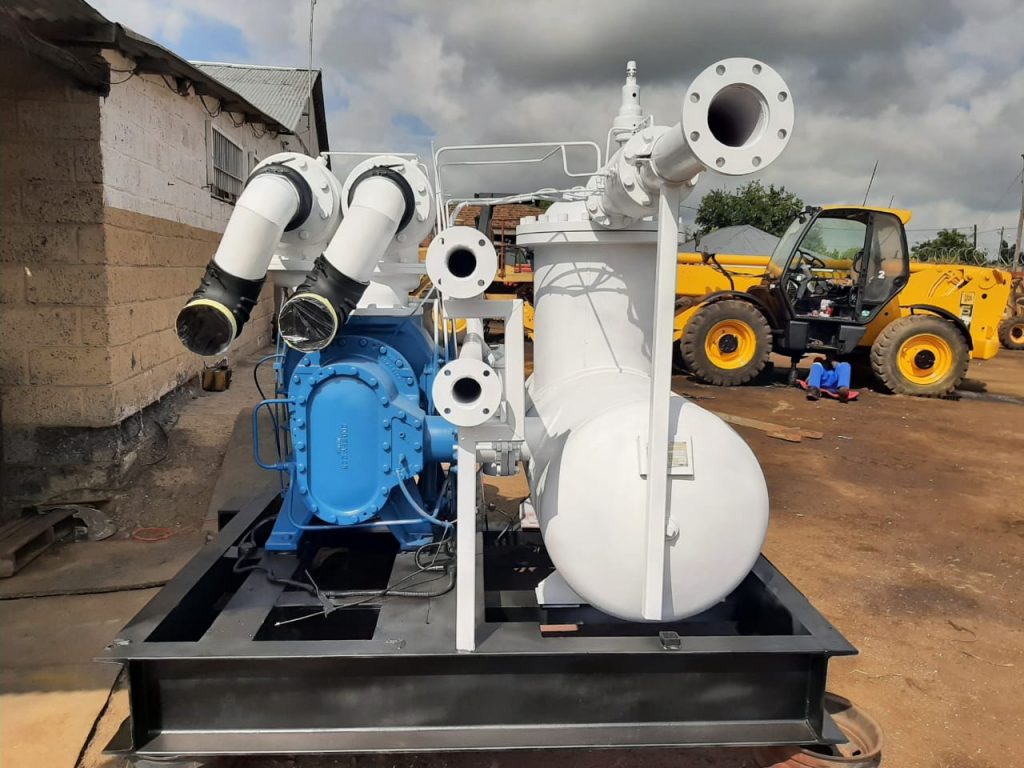
Hydrogen cylinder filling compressors play a crucial role in the hydrogen refueling infrastructure, facilitating the compression and storage of hydrogen gas for use in fuel cell vehicles (FCVs) and other hydrogen-powered applications. Hydrogen cylinder filling compressors are essential for delivering high-pressure hydrogen to fueling stations, ensuring fast and efficient refueling experiences for users.

Key Efficiency Metrics:

  1. Compression Efficiency:

Compression efficiency measures the ratio of the energy input to the compressor to the energy output in the form of compressed hydrogen gas. Higher compression efficiency indicates a more energy-efficient compressor that requires less power input to achieve the desired pressure levels.

  1. Fill Time:

Fill time refers to the duration required to fill a hydrogen cylinder or tank to its maximum capacity. Compressors with shorter fill times can refuel vehicles more quickly, improving the overall efficiency and throughput of hydrogen refueling stations.

  1. Energy Consumption:

Energy consumption quantifies the amount of electrical or mechanical energy consumed by the compressor during operation. Lower energy consumption indicates a more energy-efficient compressor that minimizes operating costs and environmental impact.

  1. Maintenance Requirements:

Maintenance requirements encompass factors such as reliability, durability, and service intervals of the compressor. Compressors with low maintenance requirements are more cost-effective and reliable over their operational lifespan.

Efficiency Comparison:

  • Positive Displacement Compressors:

Positive displacement compressors, such as reciprocating and rotary screw compressors, are commonly used for hydrogen cylinder filling applications. While these compressors offer high compression efficiency and reliability, they may have longer fill times and higher maintenance requirements compared to other types.

  • Centrifugal Compressors:

Centrifugal compressors are known for their high flow rates and efficiency in large-scale industrial applications. However, their suitability for hydrogen cylinder filling may vary depending on factors such as fill time, energy consumption, and maintenance requirements.

  • Advanced Compression Technologies:

Advancements in compression technologies, such as cryogenic compression, isothermal compression, and solid-state compression, offer potential improvements in efficiency and performance compared to traditional compressors. These technologies leverage innovative approaches to optimize compression processes and minimize energy consumption.

Implications for Industry:

The efficiency comparison of different hydrogen cylinder filling compressors has significant implications for the design, operation, and investment decisions in hydrogen refueling infrastructure. Stakeholders, including hydrogen refueling station operators, equipment manufacturers, and policymakers, must consider various factors such as compression efficiency, fill time, energy consumption, and maintenance requirements when selecting compressor technologies.

Final Thoughts

Efficiency comparison of different hydrogen cylinder filling compressors is essential for optimizing the performance and sustainability of hydrogen refueling infrastructure. By evaluating key efficiency metrics such as compression efficiency, fill time, energy consumption, and maintenance requirements, stakeholders can make informed decisions in selecting compressor technologies that meet their operational needs and sustainability goals. Continued research and innovation in compressor design and technology will further drive improvements in efficiency and performance, ultimately advancing the adoption of hydrogen as a clean and sustainable energy carrier.

In an undeniably associated world, solid internet access is fundamental for both individual and professional undertakings. Xfinity Internet, offered by Comcast, stands as a signal of solid connectivity, offering a scope of benefits that engage clients to remain associated, useful, and engaged.

Blazing-Fast Speeds:

The Internet conveys lightning-fast speeds that take special care of the demands of current, advanced ways of life. With choices going from fast to gigabit speeds, clients can flawlessly stream HD and 4K content, takes part in web-based gaming, lead video gatherings, and download enormous records effortlessly. This fast connectivity guarantees smooth and continuous web-based encounters, whether for work, amusement, or correspondence.

Wide coverage and availability:

One of the vital benefits of the Internet is its broad coverage and availability across the US. With a tremendous organizational foundation, Xfinity arrives at a great many families and organizations, including metropolitan, rural, and country regions. This widespread availability guarantees that clients can get dependable internet connectivity regardless of where they are found, spanning the computerized partition and enabling networks with access to fundamental web-based assets.

Innovative Technology:

Xfinity uses state-of-the art technology to convey top-tier execution and dependability. From cutting-edge link and fiber-optic organizations to best-in-class modems and switches, Xfinity uses innovative solutions to streamline internet connectivity and improve the client experience. This obligation to development guarantees that clients benefit from the most recent progressions in internet technology, like superior speeds, lower idleness, and improved dependability.

Integrated Services and Features:

Past internet access, Xfinity offers a set-up of integrated services and features that improve, generally speaking, web-based insight. Clients can exploit Xfinity xFi, a strong stage that gives instruments for overseeing home organizations, observing gadget utilization, and controlling access to content. Also, Xfinity Internet supporters get access to a great many nationwide areas of interest, permitting them to remain associated in a hurry without utilizing cell information.

Exceptional Customer Support:

Xfinity is devoted to giving exceptional customer support to guarantee that clients get help at whatever point they need it. This obligation to customer fulfillment highlights Xfinity’s commitment to conveying an unrivaled internet experience.

Xfinity offers an abundance of benefits that engage clients to remain associated, useful, and engaged in the present computerized age. With blazing-fast speeds, wide coverage, innovative technology, integrated services, and exceptional customer support, Xfinity sets the standard for dependable and elite internet connectivity. Whether for work, diversion, or correspondence, it is the doorway to a consistent web-based insight.

In the digital era, where data is the new currency, the efficiency and effectiveness of data centers are paramount. As data centers evolve to accommodate the increasing demands of storage and processing, artificial intelligence (AI) is playing a pivotal role in optimizing their architecture. One notable example of this optimization is the Stendel + Reich data center architecture, which integrates AI to enhance performance and scalability.

Understanding Stendel + Reich Data Center Architecture

Stendel + Reich data center architecture embodies a modern approach to data management, leveraging AI algorithms to streamline operations and maximize resource utilization. By incorporating AI-driven techniques, such as predictive analytics and machine learning, Stendel + Reich architecture can adapt dynamically to changing workloads and demands.

AI-Powered Resource Allocation

One of the primary benefits of integrating AI into data center architecture is the ability to optimize resource allocation. Traditional data centers often struggle with inefficient resource utilization, leading to wasted capacity and increased operational costs. However, with AI-powered algorithms, Stendel + Reich architecture can analyze real-time data metrics and allocate resources dynamically to match workload requirements. This proactive approach ensures optimal performance while minimizing energy consumption and operational overhead.

Predictive Maintenance and Fault Detection

Another significant advantage of AI-driven data center architecture is the implementation of predictive maintenance and fault detection mechanisms. By continuously monitoring hardware components and system metrics, AI algorithms can identify potential issues before they escalate into critical failures. This proactive approach not only enhances system reliability but also reduces downtime and maintenance costs. Stendel + Reich architecture utilizes AI to analyze vast amounts of data, enabling early detection of anomalies and preemptive remediation.

Scalability and Flexibility

The scalability and flexibility of data center architecture are crucial factors in meeting evolving business needs. Traditional architectures often struggle to accommodate sudden spikes in demand or changes in workload patterns. However, Stendel + Reich architecture, empowered by AI, can dynamically scale resources up or down based on demand fluctuations. This elastic scalability ensures optimal performance during peak periods while minimizing resource wastage during idle times.

Conclusion

In conclusion, the integration of artificial intelligence into data center architecture represents a significant paradigm shift in data management practices. The Stendel + Reich data center architecture exemplifies this evolution, leveraging AI algorithms to optimize resource allocation, enhance reliability, and facilitate scalability. As the digital landscape continues to evolve, AI-driven architectures will play an increasingly vital role in meeting the growing demands of modern data-driven businesses.

Pre-cut spruce, particularly when classified as SPF (spruce-pine-fir) cut stock, is an invaluable material in the realms of construction and manufacturing. Recognized for its consistent quality and dimensional accuracy, SPF cut stock provides a robust solution for various building needs. This guide explores the benefits, uses, and sustainability of pre-cut spruce, highlighting why it remains a preferred choice among professionals.

Introduction to SPF Cut Stock

SPF cut stock is a term used to describe lumber pre-cut from spruce, pine, and fir, which are known for their similar properties and collectively categorized for commercial purposes. This wood is precision-cut to standard sizes, facilitating easier and more predictable installation across numerous applications. It offers a combination of strength, flexibility, and aesthetic appeal, making it a versatile option for many projects.

Advantages of Pre-Cut Spruce in Construction

Dimensional Stability: SPF cut stock is renowned for its dimensional stability, which is critical in construction where precision is paramount. The pre-cut dimensions ensure that each piece fits perfectly with minimal adjustment required, reducing construction time and labor costs.

High Strength-to-Weight Ratio: Spruce wood, in particular, boasts a high strength-to-weight ratio, making SPF cut stock ideal for structural applications where durability is needed without the penalty of heavy weight. This attribute is especially beneficial in roofing and flooring, where maintaining structural integrity with less bulk is advantageous.

Cost-Effective Solutions: Using pre-cut spruce as SPF cut stock can significantly lower project costs. The predictability of material sizes reduces excess waste and the need for extensive cutting and measuring on-site. Moreover, it simplifies the supply chain and inventory management for construction projects, as standardized pieces can be ordered and used directly.

Sustainability and Environmental Impact

Eco-Friendly Resource: Spruce trees grow relatively quickly compared to other hardwoods, which makes them a more sustainable option for lumber production. Utilizing SPF cut stock helps promote sustainable logging practices as these trees are often harvested from controlled, sustainably managed forests.

Energy Efficiency: The natural insulating properties of spruce contribute to energy efficiency in buildings. Using SPF cut stock for construction helps in maintaining temperature regulation within structures, leading to reduced energy costs and environmental impact.

Practical Applications of SPF Cut Stock

Residential Building: In the housing sector, SPF cut stock is extensively used for framing houses due to its structural integrity and resistance to warping and shrinking. It is also favored in making trusses and panels.

Commercial Projects: Large-scale commercial projects benefit from the use of SPF cut stock in the creation of durable, high-quality frameworks that are capable of supporting substantial loads.

DIY and Craftsmanship: For DIY enthusiasts and craftsmen, pre-cut spruce provides a reliable and easy-to-use material that supports a wide range of projects, from furniture making to intricate decorative items.

Conclusion

SPF cut stock, particularly from spruce trees, offers a multitude of advantages for both industrial and personal projects. Its uniformity, strength, and environmental sustainability make it a standout choice, underpinning its popularity and continued use in the construction and manufacturing sectors. As the industry evolves, the demand for efficient, cost-effective, and eco-friendly materials like SPF cut stock will undoubtedly persist, securing its place as a cornerstone of building materials

Squirrels, with their cute appearances and playful antics, can often be seen as welcome visitors in our yards. However, when these furry creatures decide to take up residence in our homes, they can become more of a nuisance than a delight. Dealing with squirrel infestations requires careful consideration of whether to tackle the problem yourself or enlist the help of professional services such as Capital Wildlife Squirrel Removal. Let’s explore the pros, cons, and cost analysis of both approaches.

DIY Squirrel Removal

Pros:

  • Cost-Effectiveness: DIY methods for squirrel removal typically involve purchasing traps or deterrents, which can be more budget-friendly compared to hiring professionals.
  • Immediate Action: With DIY solutions, you have the flexibility to take action as soon as you notice squirrel activity, preventing potential damage to your property.

Cons:

  • Limited Expertise: Without professional training and experience, DIY attempts may not effectively address the root cause of the infestation, leading to recurring problems.
  • Safety Concerns: Handling traps and dealing with live squirrels can pose safety risks, especially if you’re not familiar with proper handling techniques.

Professional Squirrel Removal Services

Pros:

  • Expertise and Experience: Companies like Capital Wildlife Squirrel Removal have trained professionals who understand squirrel behavior and know the most effective methods for removal and prevention.
  • Comprehensive Solutions: Professional services often offer thorough inspections, customized removal plans, and long-term solutions to prevent future infestations.

Cons:

  • Higher Cost: Hiring professionals typically comes with a higher upfront cost compared to DIY methods, but it may ultimately save money by preventing extensive damage to your property.
  • Scheduling Constraints: Depending on the company’s availability, you may have to wait for an appointment, which could prolong the time it takes to address the squirrel problem.

Cost Analysis

The cost of squirrel removal can vary depending on factors such as the severity of the infestation, the size of your property, and the chosen method of removal. DIY options may range from $50 to $200 for traps and deterrents, while professional services like Capital Wildlife Squirrel Removal may charge anywhere from $200 to $500 or more for comprehensive removal and prevention services.

In conclusion, while DIY squirrel removal may seem cost-effective initially, it often lacks the expertise and comprehensive solutions offered by professional services like Capital Wildlife Squirrel Removal. Investing in professional assistance can ensure effective, long-lasting results and protect your home from further damage caused by these persistent pests.

Moving to another home can be an overwhelming undertaking, loaded with strategic difficulties and actual requests. Be that as it may, enrolling in the services of a trustworthy residential moving company can mitigate a large part of the pressure and bother related to migration. By picking long distance moving, people can guarantee a smooth and proficient change to their new home, permitting them to zero in on getting comfortable and acclimating to their new environmental factors.

While choosing a residential movers company, a few key elements ought to be considered to guarantee a consistent moving encounter. Most importantly, there is unwavering quality. Entrusting your effects to a trucking company requires certainty that they will deal with them with care and incredible skill. Investigating the standing and history of imminent movers through client surveys, references, and industry affirmations can give important knowledge into their unwavering quality and believability.

Efficiency is another significant consideration when choosing long distance moving. There’s no time to waste during a move, and a company that focuses on efficiency can assist with facilitating the interaction and limiting personal time. Search for movers who offer extensive services, like pressing, stacking, transportation, and unloading, to smooth out each part of the move. Moreover, ask about their booking adaptability and capacity to oblige explicit timetables and cutoff times to guarantee smooth progress.

Cost-viability is likewise a critical calculate choosing a residential movers company. While affordability is significant, finding some kind of harmony Cost-effectiveness is also an important consideration when choosing a residential moving company. The cost and nature of service is fundamental. Be careful with movers who offer fundamentally lower rates than their rivals, as this could be demonstrative of shoddy help or secret expenses.

Furthermore, impressive skills and client care are central when choosing a residential moving company. From beginning requests to the last conveyance of assets, the degree of incredible skill and responsiveness shown by movers can fundamentally affect the overall moving experience. Pick a company that focuses on clear correspondence, responsiveness to requests and concerns, and a guarantee of consumer loyalty to guarantee a positive encounter from beginning to end.

Choosing the best residential moving company is fundamental to achieving effortless efficiency during a move. By focusing on unwavering quality, efficiency, cost-viability, incredible skill, and client support, people can guarantee smooth and tranquil progress to their new home. Whether moving locally or a significant distance, choosing a trustworthy and legitimate moving company can have a significant effect on streamlining the moving system and partaking in a fruitful migration experience.

Market intelligence from Enformion.com helps businesses improve their understanding of customers and stay competitive in their industry. Many companies use this information when making business plans to make sure their products or services meet customer needs and have a good chance of success. By understanding the basics of market intelligence, you can figure out which strategies and areas are most useful for reaching company goals.

This article explains what market intelligence is, why it matters, what it includes, the main types of market intelligence, how it is different from market research, and shares helpful tips for using it effectively.

Definition of Market Intelligence
Market intelligence is the information a business gathers about its industry to make better decisions. This includes learning about customer behavior, following trends, and tracking financial activities. Analysts can gather this information by reviewing data, researching online, or talking to other professionals. With this knowledge, a company can better understand industry changes and prepare for the future.

Important Terms Related to Market Intelligence:

  • Key Performance Indicator (KPI): A measurable value that shows if a company is meeting its goals.

  • Market: All the businesses and customers in a certain area, such as a country, state, or city.

  • Industry: A group of businesses that focus on the same type of product, service, or topic.

Why Does Market Intelligence Matters?
Market intelligence plays a big role in building a successful business. Here are some reasons why it’s important:

  • Improves a company’s position in the industry: It helps a company learn how it is seen in the market and develop plans to grow its brand. For example, if a music company notices a popular music trend, it might sign artists who fit that trend.

  • Helps set realistic goals: Data from customers and the market can help set smart short-term and long-term goals. For example, looking at a competitor’s sales numbers can help set a target to match or beat those numbers next year.

  • Predicts a product’s success: By researching a product’s features and how they appeal to customers, companies can decide what to develop and focus on.

  • Helps keep customers: Knowing how different groups of people respond to marketing can help companies improve their outreach. For example, if one group buys more often, the company can target that group more directly.

  • Boosts sales: When a business understands what customers want and meets industry standards, it is more likely to grow sales and spend money wisely.

Market Intelligence vs. Market Research
Market intelligence and market research serve different roles in a business plan. Market intelligence looks at larger consumer trends across industries, while market research focuses on learning what specific customers think and want.

For instance, if a company wants to see how well a product might perform, it might first look at overall buyer trends through market intelligence. Then, it could use market research, such as interviews, to understand why certain groups are more likely to buy the product.

What Market Intelligence Includes

  1. Research Goals
    Market intelligence starts with a clear goal, such as learning about customer needs, new market areas, or competitor strategies. This helps guide how and where the team gathers data. For example, if a company works in the tech field, it might want to find out which tools or gadgets appeal to a certain age group.

Other research topics might include:

  • Cross-marketing: Promoting one product using another product. For example, a streaming platform might show ads for other shows it produces.

  • Purchasing patterns: Looking at what people buy and when they buy it. This can help predict future buying habits.

  • New markets: Studying areas where the company hasn’t sold before. For example, a U.S.-based company might research customer preferences in Europe before launching a new product there.
  1. Research Area and Method
    Marketing teams often focus on specific types of data. They might look at yearly sales in an industry or review a competitor’s spending. Based on this, they choose how to collect the data. For example, a company researching software for filmmakers might study how much filmmakers earn and how much money is spent on editing software.
  2. Data Sources
    Companies gather information from many places. These might include public government databases, online reports, company salespeople, or even social media surveys. To get more detailed insights, teams might also run focus groups with selected customers.
  3. Analysis Process
    After gathering data, marketing teams look for patterns and decide what information is most important. They might use software to sort the data into useful categories or compare poll results over time to spot changes. Sentiment analysis is another method, where teams study how customers feel about a product or service.
  4. Reports and Presentations
    Teams take all the information and turn it into useful reports. These reports may include graphs, charts, or other visuals. They are shared with company leaders or employees to help them understand the market better and make stronger business decisions.

Types of Market Intelligence

  1. Competitor Intelligence
    This type involves learning about what other companies are doing—how they market their products, their performance, and how they connect with customers. For example, a team might read online reviews to find out what customers think of a competitor, then use that information to improve their own brand.
  2. Commodities Intelligence
    This involves studying similar products in the same market. Teams look at prices, features, and customer use to see how their own product compares. For example, a food company might track almond sales in other stores. If one flavor sells better, they may decide to produce more of that flavor.
  3. Market Understanding
    This type looks at the bigger picture of an industry—its trends, size, and main customer groups. For example, if a media company finds that a certain kind of content is popular with different age groups, it might create new shows based on that content.
  4. Customer Understanding
    This involves learning about the company’s customers—their background, needs, and buying habits. Marketing teams might talk directly to customers through interviews and use that feedback to shape future marketing plans.

Tips for Gathering Market Intelligence

  • Use KPIs: Track the success of your intelligence efforts by setting clear goals. For example, check if the information helped increase sales or improve decision-making.

  • Talk to others in the industry: Get insights from partners or other businesses that know the market. They may have useful views you haven’t considered.

  • Hire experts: Consider bringing in outside help, like a consulting agency. This is especially helpful for large companies with many customers.

  • Create a customer advisory group: Build a team of customers with different opinions—including those who prefer your competitors—to give honest feedback. For example, a game company might include someone who regularly reads news about many gaming companies.

By using these tips and understanding each part of market intelligence, companies can make better decisions, meet customer needs, and grow successfully in their industries.

When do you consider your organization has achieved an adequate level of internet visibility? Is the current level of exposure enough, or do you see opportunities for improvement? If your efforts are not yielding the expected results, it is probable that you will seek aid from others.

Regardless, you should know exactly what to look for in a decent website development company. C Squared Social’s services can help businesses build a stronger, more cohesive brand by boosting their online reputation. Let’s take a look at some crucial factors to consider before working with a website development agency.

A Collection of Devices Contained Within a Single Electronic Cube

To meet its clients’ objectives, the top website development services will provide a plethora of materials tailored to their individual requirements. Given this, it is easier to leverage the skills of a single company rather than managing a number of distinct businesses. Below are some of the services that should be provided:

  • Internet search engine optimization and website personalization.
  • Online advertising and market research
  • The capacity to select materials of particularly high quality.

To ensure that everything runs smoothly, a quality website construction company should provide a “blueprint” of the procedures that will be followed. This enables the customer to monitor progress and evaluate ongoing results.

Widespread Online Visibility

Sure, you might expect a web design firm to boast about how good they are at what they do. Keep in mind that these companies are marketing experts, so they want to make the best impression possible. Certain things are always preferred above others. Finding out which firms they have previously dealt with is thus a vital next step, as is offering clients with constructive feedback as a top priority. It is always a smart idea to work with an agency that is linked with well-known businesses because this shows that they have a strong digital base.

Everything About Branding

According to projections, more than 80% of clients will conduct at least one online transaction per month. This figure is anticipated to rise more as our interest in online shopping grows. This is why branding is critical if you want your company to stand out from the competition. It is vital to look at the website development company’s portfolio and all of the options offered. Finally, we’ve arrived at the heart of our work.

Several Sample Packages for Demonstration

You should choose a vendor who provides a free trial of their products and/or services, just like you would with any other e-commerce website. If you take this approach, you will be able to identify the intricacies and determine whether or not they are compatible with your current business strategy, which is fantastic. When the stakes are high enough, deciding on the right course of action becomes much easier.

Collaboration with a reputable third-party development firm could be transformational for your corporation. You should not be afraid to go above and beyond the initial guidelines because of this.