Author

Brandon Elias

Browsing

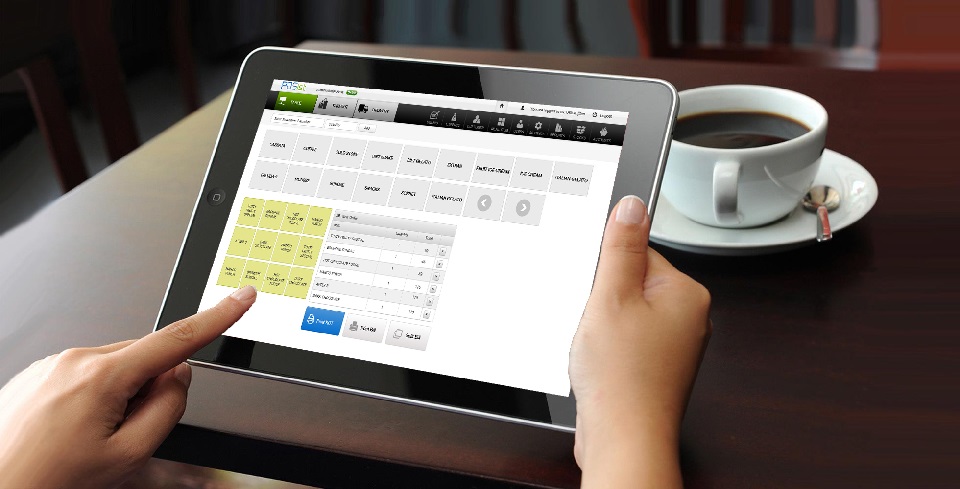
Are you looking to take your cafe to the next level? One of the most effective ways to streamline your operations and enhance customer experience is by integrating an advanced Point of Sale (POS) system. Gone are the days of traditional cash registers and handwritten orders. Modern cafes are now leveraging advanced POS systems to improve efficiency, accuracy, and customer satisfaction.

Understanding the Role of an Advanced POS System


Firstly, let’s understand what an advanced POS system entails. Beyond processing transactions, a robust POS system can handle a multitude of tasks, including order management, inventory tracking, employee management, and customer relationship management. With the right cafe pos system, you can streamline your entire operation, from taking orders to managing inventory and analysing sales data.

Enhancing Customer Experience


One of the key advantages of integrating an advanced POS system into your cafe is the ability to enhance customer experience. With features such as mobile ordering, self-service kiosks, and digital payment options, you can provide customers with a seamless and efficient service. Imagine the convenience of allowing customers to place their orders from their smartphones or tablets, reducing wait times and improving overall satisfaction.

Streamlining Operations


Efficiency is crucial in the fast-paced environment of a cafe. An advanced POS system can streamline your operations by automating various tasks like order processing, inventory management, and employee scheduling. With real-time data and analytics at your fingertips, you can make informed decisions to optimise your workflow and minimise wastage.

Improving Accuracy and Order Management


Gone are the days of deciphering handwritten orders and dealing with order errors. An advanced POS system allows for precise order management, ensuring that each customer receives exactly what they requested.

With features like customisable order modifiers and automatic syncing between the front and back of the house, you can significantly reduce errors and enhance the overall efficiency of your cafe.

Integrating Loyalty Programs and Customer Relationship Management


Building a loyal customer base is essential for the success of any cafe. An advanced POS system enables you to integrate loyalty programs, track customer preferences, and personalise promotions based on purchasing behaviour. By understanding your customers better, you can create targeted marketing campaigns and foster long-term relationships, ultimately driving repeat business and increasing customer loyalty.

Choosing the Right POS System for Your Cafe


When it comes to choosing the right POS system for your cafe, it’s essential to consider your specific needs and objectives. Look for a system that offers a user-friendly interface, robust reporting and analytics, and seamless integration with other software and hardware. Additionally, ensure that the cafe pos system provider offers reliable customer support and regular updates to keep your technology up to date.

Training and Staff Adoption


Introducing a new POS system into your cafe requires thorough training and support for your staff. Investing time in training your employees to use the system and understand its capabilities is crucial effectively. A well-trained team can maximise the benefits of the POS system, leading to improved efficiency and customer service.

Data Security and Compliance


With the increasing prevalence of digital transactions, data security is a top priority for any business. When integrating an advanced POS system, ensure it complies with industry data security and payment processing standards. Your customers’ trust is paramount, and a secure POS system is essential in safeguarding sensitive information.

Cost Considerations and Return on Investment


While integrating an advanced POS system involves an initial investment, it’s important to consider the long-term benefits and return on investment. Evaluate the cost of the system in terms of efficiency gains, reduced errors, and improved customer satisfaction. A well-implemented POS system can lead to significant cost savings and increased revenue over time.

The Future of Cafe Operations


As technology continues to evolve, the role of advanced POS systems in cafe operations is only set to grow. The possibilities are endless, from incorporating artificial intelligence for predictive ordering to leveraging data analytics for personalised customer experiences. By embracing innovation and staying ahead of the curve, cafes can position themselves for sustained success in an increasingly competitive industry.

Conclusion


Integrating an advanced POS system into your cafe operations can revolutionise how you do business. The benefits are undeniable. From enhancing customer experience to streamlining operations and improving data-driven decision-making, you can future-proof your cafe and set the stage for long-term growth and success.

Are you ready to take your cafe to new heights? Embrace the power of advanced POS technology and watch your operations thrive in today’s dynamic cafe landscape. Cheers to your cafe’s more efficient, customer-centric, and profitable future!


In the world of residential aesthetics, the driveway serves as the welcome mat to one’s home, setting the tone for what lies beyond. As homeowners seek to infuse their properties with a touch of luxury, exposed aggregate driveways Melbourne have emerged as a transformative choice, elevating the entrance experience to unparalleled heights. 

Striking aesthetic elegance 

The hallmark of luxury often lies in the details, and exposed aggregate driveways deliver on this front with unparalleled elegance. The unique blend of concrete, gravel, and decorative aggregates creates a surface that is not only visually captivating but also rich in texture. The exposed stones, carefully revealed through the finishing process, add depth and character, transforming a functional driveway into a work of art that exudes opulence. 

Customization for individual panache 

Luxury is inherently personal, and exposed aggregate driveways offer a canvas for homeowners to express their individual style. The myriad choices of aggregate materials, including colored stones, pebbles, and shells, allow for customization that complements the overall aesthetic of the property. Whether aiming for a modern, minimalist look or a more traditional and ornate feel, the versatility of exposed aggregate ensures that the driveway seamlessly aligns with the homeowner’s desired ambiance. 

Understated sophistication in simplicity 

Luxury often speaks in hushed tones, and the understated sophistication of exposed aggregate driveways is a testament to this principle. The surface, while visually striking, does not rely on ostentatious elements. Instead, it achieves a refined and luxurious feel through the seamless integration of natural textures and a harmonious color palette. This subtlety allows the driveway to effortlessly blend with the overall landscape, creating a cohesive and elegant exterior. 

Texture and traction in harmony 

Exposed aggregate driveways offer a luxurious tactile experience with their textured surface. This not only adds a sensory dimension to the entrance but also serves a practical purpose. The enhanced traction provided by the exposed aggregate minimizes the risk of slips and falls, ensuring that safety and luxury coexist seamlessly. 

Enduring beauty for timeless appeal 

True luxury transcends trends, and exposed aggregate driveways boast a timeless quality that adds to their luxurious appeal. The durability of the materials, coupled with the minimal maintenance requirements, ensures that the driveway retains its luxurious charm for years to come. This enduring beauty becomes an investment in the long-term aesthetic value of the property, further enhancing its overall sense of opulence. 

The conclusion 

As homeowners aspire to create a sense of opulence within the confines of their properties, the choice of an exposed aggregate driveway becomes a defining statement, paving the way for a luxurious entrance experience. 


Carbon ink has become an increasingly popular choice for printing and writing applications in recent years as environmental concerns have grown. As technology advances, carbon inks offer several benefits over traditional pigment-based inks including lower environmental impact during production and at end of life. This article will explore in detail some of the key advantages of using carbon ink, from its significantly smaller carbon footprint compared to other inks to its superior performance qualities which allow for high quality printing over longer periods of time without degradation. Carbon ink is derived from renewable sources like plant materials and does not require harsh chemicals during manufacturing like some pigment-based inks. It is also less hazardous if it enters the water system after use compared to traditional inks. Overall, carbon ink is a greener and higher performing choice for printing and writing that addresses modern environmental and performance needs.

Performance Benefits

In addition to environmental benefits, carbon ink offers several performance advantages over traditional inks. One key benefit is its durability. The graphite particles in carbon ink form a very stable bond with the substrate it is printed on, such as paper. This makes carbon ink highly resistant to water, UV light exposure, abrasion, and other factors that can cause pigment-based inks to fade over time. Documents printed with carbon ink maintain their high quality for decades. The durable bond ensures legibility is preserved without deterioration even after

several decades of storage. Faded prints are a thing of the past with carbon ink.

Carbon ink is also smear-resistant once dry. The graphite bonds tightly to paper fibers, preventing the ink from being rubbed off or smudged easily. This makes carbon ink the preferred choice for applications like printed labels that may be handled frequently. It also means documents can be stacked or transported without risk of the ink transferring between pages. Smudge-free prints last the test of time and frequent handling without compromise.

Another advantage is carbon ink’s versatility across different substrates. Due to its chemical properties, carbon ink adheres well to a wide variety of materials beyond just paper, such as plastics, metal, and glass. This opens up new applications for printing barcodes, signage, and other markings directly onto various surfaces. Carbon ink maintains high quality even on non-porous substrates where traditional inks may not bond or dry properly. Its one-size-fits-all nature provides cost savings and convenience for commercial printing needs.

Cost Effectiveness

While the upfront cost of carbon ink per unit may be higher than traditional pigment-based inks, it proves very cost effective over the long run. Due to its excellent durability, documents printed with carbon ink maintain high readability and quality for decades with little risk of fading. This eliminates the need to reprint documents as frequently. Reducing document reprints leads to significant savings on material and labor costs associated with frequent reprinting. Over several years of use, the total cost of ownership of documents printed with carbon ink is lower than those printed with pigment inks that require replacement or reprinting earlier.

The non-toxic and inert properties of carbon ink also reduce waste management costs. As mentioned previously, carbon ink does not leach harmful substances into the environment during disposal like some pigment inks. This lowers compliance and hazardous materials handling costs for businesses. There is also no need for special equipment to dispose of carbon ink waste. Carbon ink allows organizations to save money on printing costs in the long run while also being environmentally friendly.

Applications

Carbon ink has many applications due to its benefits. Some common uses of carbon ink include:

  • Printing labels for product identification that need to withstand wear, chemicals, UV exposure, and other harsh conditions in manufacturing, shipping and storage environments.The durable carbon ink ensures labels last through the entire product lifecycle from factory to customer.
  • Producing barcode labels, tags, and signs for inventory management and point-of-sale applications where long-term scannability is important. Carbon ink provides the reliability needed for automated scanning systems to work accurately for many years.
  • Creating markings, stencils, and signs for outdoor or industrial use like equipment identification that must endure heat, moisture, abrasion and other environmental stresses. The resistance of carbon ink to degradation allows identification marks to remain clearly legible.
  • Printing documents, manuals, and records that contain important information needing long-term archival storage without risk of degradation. Carbon ink allows vital documentation to be stored safely for decades without fading or disintegrating.
  • Marking directly on surfaces like metal, glass, and plastics for product identification where traditional ink adhesion may be problematic. The versatility of carbon ink makes it suitable for direct marking on various substrates.
  • Printed circuits and sensors often require a conductive ink that can withstand environmental wear and tear over time. The ink must be both electrically conductive to power the circuits but also durable enough to maintain performance when exposed to outside conditions. Carbon ink fits this need perfectly as it contains highly conductive graphite that allows for transmission of electrical signals along with the ink’s carbon composition making it resistant to factors like heat, moisture and corrosion.
  • Carbon ink has properties that make it suitable for a wide variety of printing applications beyond traditional writing and documents. Its resistance to weathering like sunlight exposure and water means it can be used on materials outside like corrugated boxes and banners. It also adheres well to different surfaces like flags, road signs and more. The ink stays visible for a long time without fading. Due to these advantages of weather resistance, longevity and versatility with many material types, carbon ink is increasingly used in diverse printing and marking applications beyond offices.

Conclusion

Carbon ink has gained popularity due to its environmental, performance, and economic benefits compared to traditional pigment-based inks. Made from renewable resources, carbon coatings impart excellent durability, smudge resistance, versatility, and low lifecycle costs. Its chemical inertness also reduces environmental impact. These advantages have led carbon ink to become the preferred choice for applications requiring permanent, high-quality printing or marking that can withstand demanding conditions over the long term. As technology further develops carbon ink formulations, its uses will likely continue expanding across multiple industries.

Screws are helpful in construction and other industries as they give tight fastening, security, and easy change or removal. It makes them an excellent choice to use to finish the project. These fasteners come in different materials, types, and sizes, and you need some consideration. You will learn other kinds of screws at Screw Manufacturer India, and you must know some tips on choosing the ideal screw size and length. 

Screw material and finish 

Finishes and materials are the characteristics of screws and sometimes determine what the fastener is made for. Some materials allow a screw to manage demanding jobs, while others help to avoid corroding or rusting. When the screw’s material is prone to rust, some finishes can protect it from corrosion. The ideal screw material is steel, but it also experiences decay when exposed to moisture. For some reason, a steel screw needs a plating or coating that helps to protect it from corrosion. The known finishes and coatings include zinc plating and black phosphate. Some finishes, like electro-coated paint, polymer, and ceramic, are available. There are finishes like nickel plating, chrome, and brass features as protection against corrosion. But they are not recommended for outdoor applications. Bright steel screws will not have any corrosion resistance, and it is made for interior applications where moisture is not a problem. 

Learn the types of screw heads. 

The heads of screws offer different types, giving you a different purpose. Some heads fit shallow depressions, which it is known as countersunk holes. Other crowns like bugle-head and flat head screws are made to rest flush with the workpiece’s surface. There are some self-countersinking screws where it can cut the countersunk hole while you are driving them. Except for the countersunk screw varieties, some non-countersunk screws have round or pan heads that sit on the surface. Some trim-head screws have tiny heads so that you can cover them compared to other fasteners. Some screws have washer heads, truss heads, and wafer heads. It will give a more prominent place of contact underneath the head of the screw compared to other fasteners. 

Know the types of screw threads. 

When the screw has coarse threads, there is more space between the lines. These fasteners work with softer materials like wood or drywall but sheet metal screws feature coarse threads too. You can remove and install screws with coarse threads other than faster. When the screw has a fine line, it is meant to be used with nuts or for pre-tapped holes. The smaller gaps between every thread give the screws a tighter hold, but removing and installing them will take longer. 

You will need the suitable screws, where it has a range of products to meet your daily needs. The companies offer you a good service and help customers choose. 


Running a restaurant is a complex business that requires careful management of many different elements. One of the most critical aspects of any restaurant is the food ordering process. This is where customers place their orders, and it’s essential to ensure that this process is as smooth and efficient as possible. 

Implement an online ordering system.

In today’s digital age, a  food ordering system is a must-have for any restaurant. Not only does it provide convenience to customers, but it also streamlines the ordering process for your staff. With an online ordering system, customers can easily browse the menu, place their order, and pay online. This eliminates the need for phone orders and reduces the chances of miscommunication.

Offer mobile ordering.

Mobile ordering is another convenient option for customers. With a mobile app, customers can place their order from anywhere at any time. This is particularly useful for customers who are on the go or have a busy schedule. Mobile ordering also allows for easy customisation of orders, making it easier for customers to order exactly what they want.

Utilise QR codes

QR codes are becoming increasingly popular in the restaurant industry. By placing QR codes on tables or menus, customers can easily scan the code and access the menu on their mobile device. This eliminates the need for physical menus and reduces the risk of contamination.

Provide tablet ordering.

Tablet ordering is another innovative solution for enhancing the food ordering process. By providing tablets at each table, customers can easily browse the menu, place their order, and even pay without the need for a server. This also reduces the workload for your staff.

Offer self-service kiosks.

Self-service kiosks are becoming more common in fast-food restaurants, but they can also be useful in other types of restaurants. Customers can easily place their order and pay without the need for a server. This not only expedites the ordering process but also decreases the likelihood of errors.

Implement a loyalty program.

A loyalty program is a great way to incentivise customers to return to your restaurant.  Try a  food ordering system offering rewards for repeat visits or purchases. Doing so will make customers more likely to choose your restaurant over others. It can also be integrated with an online ordering system, making it even more convenient for customers to participate in the program.

Provide allergen information.

Many people have food allergies or dietary restrictions. Thus, an efficient ordering process is a must to give clear and concise allergen information on your menu, customers can easily identify which dishes are safe for them to eat. It also shows that you care about the health and safety of your customers.

Offer contactless payment options.

Contactless payment options such as Apple Pay or Google Wallet are becoming increasingly popular. Customers can easily pay for their meal without the need for physical contact with the payment terminal. 

Streamline the kitchen process.

A smooth kitchen process is just as important as a smooth ordering process. By implementing a kitchen display system, orders can be sent directly to the kitchen, eliminating the need for paper tickets. 

Provide feedback opportunities.

Finally, providing opportunities for customers to give feedback is crucial for improving the food ordering process. Feedback cards or an online survey allows customers to share their thoughts and suggestions for improving the ordering process. This not only shows that you value their opinion but also provides valuable insights for improving the overall dining experience.

Final Thoughts

We’ve covered some pretty nifty solutions for enhancing your restaurant’s food ordering process. From offering delivery options to providing clear and detailed menus, there are plenty of ways to make the ordering process more efficient and enjoyable for your customers. Take advantage of these tips to provide a better experience for your customers and keep them coming back for more. 

Time is a precious commodity. It is the one resource that we cannot replenish once it is gone. For businesses, time is money, and efficient time management is crucial for success. Effective timekeeping is an essential tool for boosting employee productivity. 

The Importance of Timekeeping

Timekeeping is the process of tracking the time spent on tasks or activities. It is a fundamental aspect of any business, as it allows managers to measure productivity and track employee performance. Effective timekeeping is essential for businesses to meet deadlines, manage resources efficiently, and maintain a competitive edge.

Inaccurate timekeeping can lead to a range of problems, including missed deadlines, decreased productivity, and increased costs. Poor time management can also create a stressful work environment, which can negatively impact employee morale and job satisfaction.

The Benefits of a Time Attendance System

A time attendance system is a software-based solution that automates the process of tracking employee attendance and time spent on tasks. It is an effective tool for businesses of all sizes, as it provides accurate data on employee performance and productivity.

One of the key benefits of a time attendance system is that it eliminates the need for manual time tracking. This saves time and reduces the risk of errors, which can be costly for businesses. Automated timekeeping also allows managers to access real-time data on employee attendance and time spent on tasks, which can be used to make informed decisions about resource allocation and project management.

Another advantage of a time attendance system is that it can help businesses to identify areas for improvement. By tracking employee performance and productivity, managers can identify bottlenecks in the workflow and implement strategies to increase efficiency. This can lead to cost savings, improved customer satisfaction, and increased profitability.

How a Time Attendance System Boosts Employee Productivity

Effective timekeeping is crucial for boosting employee productivity. A time attendance system can help to achieve this by providing employees with clear expectations and goals. By tracking time spent on tasks, employees can see how their work contributes to the overall success of the business. This can increase motivation and job satisfaction, leading to improved productivity.

A time attendance system can also help to reduce time wastage. By tracking time spent on tasks, managers can identify areas where employees are spending too much time and implement strategies to increase efficiency. This can lead to cost savings and improved productivity, as employees are able to complete tasks more quickly and effectively.

Furthermore, a time attendance system can help to reduce absenteeism and tardiness. By tracking employee attendance, managers can identify patterns of absenteeism and take steps to address the underlying causes. This can include offering flexible working arrangements or providing support for employees who are struggling with personal or health issues. 

Tips for Implementing a Time Attendance System

Implementing a time attendance system can be a significant change for employees and managers alike. To ensure a smooth transition, it is important to communicate the benefits of the system and provide training and support to employees.

Here are some tips for implementing a  time attendance system:

  1. Choose the right system: There are many different time attendance systems available, so it is important to choose one that meets the specific needs of your business. Consider factors such as ease of use, cost, and integration with other systems.
  2. Communicate the benefits: Explain to employees how the time attendance system will benefit them and the business. Emphasize the importance of accurate timekeeping for project management, resource allocation, and performance evaluation.
  3. Provide training: Ensure that employees are properly trained on how to use the system. Provide ongoing support and encourage feedback to identify any issues or areas for improvement.
  4. Set clear expectations: Communicate clear expectations for employee attendance and timekeeping. Ensure that employees understand the consequences of non-compliance and the importance of accurate timekeeping for the success of the business.

Conclusion

It is evident that efficient timekeeping is a crucial aspect of managing a successful organization. You will be able to precisely measure staff attendance and time spent on work by adopting a time attendance system. This information can be utilized to find areas that need work, boost output, and eventually increase profits. 

Your process may be streamlined, errors can be decreased, and your workplace can become more productive and effective with the correct system in place. Why not start investigating the advantages of a time attendance system for your company today?


As a laundromat owner, providing a high-quality laundry service is essential to attracting and retaining customers. One way to do this is by investing in an efficient Continental Girbau commercial washer and dryer machine. Industrial ironers are a valuable asset for laundromat owners. You can use them to improve productivity, quality of service, customer satisfaction, and profitability. If you’ve been looking to take your laundromat to the next level, these laundry machines can help you boost efficiency and give you a competitive edge through diversification. Industrial ironers offer many benefits to help your laundry business improve its bottom line.

Here are five ways buying industrial ironers is a gamechanger for your laundromat:

Stay ahead of competitors

Industrial ironers can be a competitive advantage by enabling quick, high-quality ironing services. Additionally, instead of only relying on a commercial ironing machine, ironers help diversify your laundry business. This can help your laundromat stand out from competitors who depend on traditional ironing and self-service laundry. This can attract more clients, generate more referrals, and establish a good reputation.

Unlock new efficiencies and take productivity to the next level

Because of larger ironing surfaces and more powerful steam generators, industrial ironers can process laundry items much faster than traditional irons. They can process more laundry items quickly, allowing you to iron garments more efficiently. As a result, you increase your business productivity and reduce turnaround times, thus serving more customers quickly.

Improve your ironing quality

Equipped with a more precise temperature control feature and the ability to apply more controlled heat, industrial ironers enhance your customers’ ironing experience. The advanced technology used in ironers enables them to produce consistent results that customers will love. Use them to generate a uniform press, straighten wrinkles on clothes, and delight customers with professional-looking finishes. This enables you to provide clients with a higher quality of service, boosting customer satisfaction and repeat business.

Reduce labor costs in your laundromat

The initial purchase price of commercial ironers may seem too expensive for most small laundromats. But once you buy them, you don’t have to hire staff to iron clothes manually. This can help you reduce labor costs and save money in the long run. The laundry equipment can process laundry much faster and more efficiently than humans. As a result, laundromat owners can save on labor costs, leading to increased profits.

Boost your profitability

The increased productivity, improved quality, and reduced labor costs associated with industrial ironers can all lead to increased profits for laundry business owners. As a result, investing in these machines can be an intelligent decision for laundromat owners looking to improve their bottom line.

One thing to remember is that commercial ironers are made differently. Some are better than others in terms of efficiency, quality of finish, and features. So before investing in them, conduct thorough research to choose the industrial ironer that best suits your laundry business. The number of customers you serve daily should inform the size of the ironers you buy.

Locksmiths are professionals who possess a deep understanding of the intricate science behind modern locks. In today’s rapidly advancing world, the security of our homes, offices, and belongings is important. Locksmiths in ensuring locks are reliable and robust, safeguarding our possessions from potential threats.  Locks have come a long way since their inception thousands of years ago. Ancient civilizations used crude mechanisms to secure their possessions, but in technology, locks were highly sophisticated. The science behind modern locks revolves around mechanical engineering, metallurgy, and even aspects of psychology.

Mechanical engineering is at the heart of lock design. Locksmiths understand the intricate mechanisms within locks and how they interact with one another. They have a comprehensive knowledge of pins, tumblers, levers, and springs, which are the fundamental components of most locks. By understanding the behavior of these components, locksmiths can manipulate locks and gain access to locked spaces or provide security solutions. Metallurgy plays a crucial role in lock design and durability. Locksmiths of different types of metals and alloys in lock construction. They consider factors such as strength, resistance to corrosion, and temperature changes when selecting the right materials for specific lock applications. By utilizing their knowledge of metallurgy, locksmiths ensure that the locks they install can withstand external forces and remain functional for extended periods.

Choosing the Right Lock psychology also comes into play when it comes to lock design. Locksmiths understand human behavior and tendencies, enabling them to create lock picks or manipulate them. They consider the principles of social engineering, such as exploiting human vulnerabilities, to design locks resistant to various techniques used by potential intruders. By incorporating elements of psychology into their work, locksmiths enhance the overall security of locks. Locksmiths also keep up with the latest advancements in technology, such as electronic and smart locks. These locks rely on electrical circuits and advanced algorithms to provide security. Locksmiths with expertise in this area understand the intricate workings of these electronic systems and can troubleshoot any issues that may arise. They are proficient in programming and configuring these locks to ensure optimal performance.

Another aspect of the science behind modern locks is key duplication. Locksmiths have the knowledge and tools to create duplicate keys accurately. They understand the principles of key cutting and the unique key profiles specific to different lock manufacturers. By leveraging their expertise, locksmiths can produce duplicate keys that fit seamlessly into locks, providing convenience and peace of mind to clients. Locksmiths are skilled in the science behind locks but also possess practical knowledge in lock installation, repair, and maintenance. They can assess the security needs of different environments and recommend appropriate locking systems. Whether it’s residential, commercial, or automotive locks, locksmiths have the expertise to ensure locks are in place to protect valuable assets.

Softcover book printing is an essential aspect of the publishing industry. For an aspiring author, a small business owner, or a professional who is looking to share expertise, understanding the process of this book printing can be highly beneficial. This article will explore the various aspects of this book printing, its advantages, and how it can help businesses reach their target audience effectively. People has to ensure about it’s partner with reputable printing services to achieve exceptional results that meet their publishing goals.

Benefits of This Type of Printing

Softcover book printing offers several advantages for authors and businesses alike. Here are some key advantages:

·   Cost-Effective Publishing:

This type of book printing is a cost-effective option compared to hardcover printing. It allows authors to produce books at a lower price point, making them more accessible to a wider audience. For businesses, this affordability enables cost-effective promotional materials or educational resources.

·   Flexibility and Portability:

Softcover books are lightweight. It makes them easy to carry around. They are ideal for readers who enjoy reading on-the-go, during commutes, or while traveling. Additionally, softcover books can be easily stored on bookshelves without taking up excessive space.

·   Quick Turnaround:

Softcover book printing typically has faster turnaround times compared to hardcover printing. This enables authors and businesses to bring their ideas to market more swiftly, ensuring timely availability of their publications.

·   Versatile Marketing Tool:

Softcover books serve as excellent marketing tools for businesses. They can be used to showcase products or services, provide educational content, or establish industry expertise. Distributing softcover books at events or conferences can leave a lasting impression on potential customers.

·   Reader Engagement:

The flexibility and portability of softcover books contribute to increased reader engagement. Readers can comfortably hold and manipulate the book while reading, easily flipping through pages or making annotations. This tactile experience enhances the overall reading experience and encourages readers to stay engaged with the content.

·   Eco-Friendly Publishing:

This type of book printing can be a more environmentally friendly choice compared to other printing options. Softcover books generally require fewer raw materials, such as paper and binding materials, resulting in lower carbon footprints. By opting for this type of book printing, authors and businesses can contribute to sustainability efforts and appeal to environmentally conscious readers or customers.

·   Enhanced Creativity and Design Options:

This type of book printing offers enhanced creativity and design options for authors and businesses. The flexible cover allows for unique and eye-catching designs, including custom illustrations, colorful artwork, or textured finishes. This creative freedom can help books stand out on bookstore shelves or attract attention when used as promotional materials. Authors and businesses can collaborate with designers to create visually stunning softcover books that captivate readers and leave a lasting impression.

The Process of this type of book printing

This type of book printing involves several steps to ensure a high-quality final product. These steps include:

·       Manuscript Preparation:

Authors need to format their manuscripts according to industry standards. This includes proper formatting, font selection, and ensuring that the content is error-free. Proofreading and editing are essential before proceeding with printing.

·       Cover Design and Layout:

Creating an appealing cover design is crucial for attracting readers. It should convey the essence of the book and entice potential readers to pick it up. Professional layout and design services can help authors and businesses achieve an eye-catching cover that aligns with their vision.

·       Printing and Binding:

Once the manuscript and cover design are finalized, the printing process begins. High-quality printers are used to reproduce the text and images accurately. The pages are then bound together with a sturdy cover, creating a professional-looking softcover book.

·       Quality Assurance:

Before the books are distributed, a thorough quality check is conducted. This ensures that the printed copies are free from any defects, such as misprints or binding errors. It is essential to maintain a high level of quality to uphold the reputation of the author or business.

Conclusion

Softcover book printing offers a cost-effective and versatile solution for authors and businesses looking to share their knowledge, promote their products, or enhance their brand image. By understanding the process and benefits of softcover book printing, individuals and organizations can leverage this medium to effectively reach their target audience. When someone is a writer embarking on a literary journey, this type of book printing can be a valuable tool in their endeavors.

Creating a successful and effective website for local businesses depends heavily on the content. While aesthetics and functionality are important, the content is what truly engages and converts visitors into customers. Content is a powerful tool to communicate the brand’s message to website visitors. Local businesses express their unique value proposition, showcase their expertise, and convey their brand personality. Through well-crafted content, companies connect with their target audience and differentiate themselves from competitors. Whether it’s through persuasive copywriting or engaging storytelling, the content should effectively communicate the brand’s message and resonate with the needs and aspirations of potential customers.

How to build a high performing websites? Local businesses must educate their target audience about their products, services, or industry. Content allows businesses to provide valuable information, answer frequently asked questions, and address potential concerns or objections. By offering educational content, such as blog posts, articles, or guides, businesses position themselves as industry experts and build trust with their audience. Informative content not only visitors make informed decisions but also establishes the business as a reliable and credible source of information. By incorporating relevant keywords, local businesses optimize their content to rank higher in search engine results. Well-optimized content helps search engines understand the purpose and relevance of the website, ultimately driving organic traffic. Local businesses should conduct keyword research and strategically incorporate keywords into their content to improve their chances of appearing in local search results.

Content enables businesses to highlight their offerings and provide detailed information about their features, benefits, and pricing. Business presentations use persuasive language and compelling visuals to capture visitors’ attention and motivate them to take action. Well-presented content enables potential customers to make informed decisions and increases the likelihood of conversions. To gain potential customers’ trust and confidence, local businesses should establish themselves as authorities. Content provides an avenue to share knowledge, insights, and expertise. By publishing high-quality and informative content, such as industry trends, tips, or case studies, businesses position themselves as trusted sources of information. Consistently delivering valuable content builds credibility, establishes trust, and fosters long-term customer loyalty.

Engaging content encourages visitors to interact with the website, increasing their overall engagement. By incorporating interactive elements such as quizzes, surveys, or feedback forms, local businesses encourage visitors to participate. It also allows companies to gather feedback, understand customer preferences, and improve their products or services accordingly. Local businesses share content on social media platforms, it drives traffic back to their website, increases brand visibility, and generates leads. Engaging and shareable content goes viral, significantly expanding the reach of a business and attracting new customers. By aligning the content across various online channels, small businesses establish a consistent brand image and amplify their online marketing efforts.