
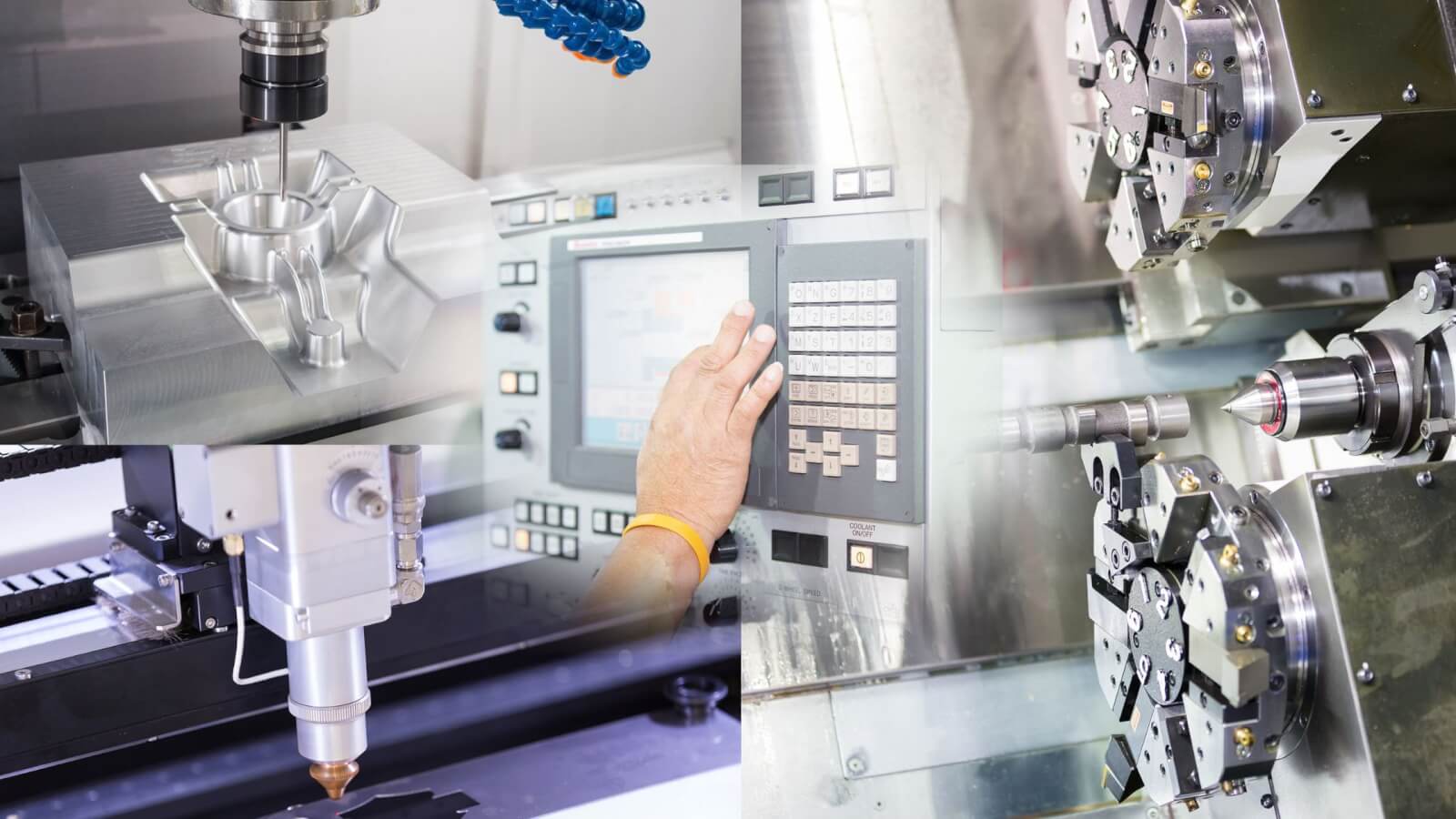
A technical drawing is the universal language used by professionals constructing buildings and infrastructures to share precise ideas. The drawings follow specific rules and standards. Anyone involved in the project understands the details without confusion. Technical drawings are an essential tool to complete the project when relying on production or development.
Understanding what technical drawings are
Technical drawings are a visual plan that shows how something should be:
- built
- manufactured
- assembled
The tool provides accurate instructions as it contains features like:
- measurements
- angles
- shapes
- symbols
It is very different from artistic drawings, which focus on creativity. Technical drawings are designed for:
- clarity
- accuracy
- standardization
The tool helps a concept become a real object in industries like:
- engineering
- architecture
- automotive
- product design
Its importance in business and technology
Technical drawings avoid mistakes and miscommunication in the business world. A company working on a new product cannot rely on verbal instructions or rough sketches only. Instead, technical drawings ensure that every part is created in the right size and shape to:
- reduce errors
- saves money
- speeds up production
The role of technical drawings with digital tools becomes essential in technology. Computer-aided design software allows professionals to create highly detailed and 3D models of a project. These digital drawings can be shared instantly with teams worldwide. The collaboration becomes faster and more efficient, especially in today’s competitive business environment.
Applications across different industries
Technical drawings are applicable in different industries. It makes their project more convenient to access without the need to meet in person. Everyone involved in the project can access the idea or drawing for viewing or possible adjustment.
Architecture and construction
Architects use technical drawings to design buildings and communicate with engineers and builders. These drawings include:
- floor plans
- elevations
- structural details
Construction projects would lack direction without these details in the drawing.
Manufacturing and engineering
Factories use technical drawings to produce:
- machines
- tools
- parts
Engineers provide detailed instructions for manufacturers to create products with precision.
Automotive industry
Car companies depend on technical drawings to:
- design engines
- interiors
- other parts
The drawings ensure that every component works correctly and fits perfectly.
Product design
Technical drawings guide the process of turning an idea into a finished product, from household appliances to electronic devices. They show the following important details:
- materials
- assembly steps
- dimensions
Aerospace
Technical drawings are vital for safety in aviation and space technology. Each part of an airplane or spacecraft must be designed with extreme accuracy to prevent risks.
Evolution of technical drawings
Traditionally, technical drawings were done by hand using:
- rulers
- compasses
- drafting boards
The method requires strong skills and is also time-consuming. However, CAD software has transformed the process today. Professionals can save time and improve accuracy using the tool online, which can:
- create
- edit
- test designs
Businesses now rely on these tools to cut costs and bring products to market faster.
Benefits of technical drawings for businesses
Using technical drawings as a tool for a business has offered several benefits, such as:
- Improved communication. Everyone involved in a project can understand the exact details.
- Cost savings. It ensures less waste of materials with reduced mistakes.
- Faster production. Designs can move from concept to manufacturing quickly.
- Global collaboration. Teams in different countries can work on the same drawing in real-time.
- High accuracy. CAD tools allow measurements down to the smallest detail, ensuring perfect results.
Conclusion
Technical drawings are more than lines and symbols on paper. The ideas in the drawing are transformed into accurate and workable products or buildings. Investing in reliable technical drawings will process the steps you need to complete a project. You will adapt innovation and achieve long-term success for companies aiming to stay competitive.

Comments are closed.