
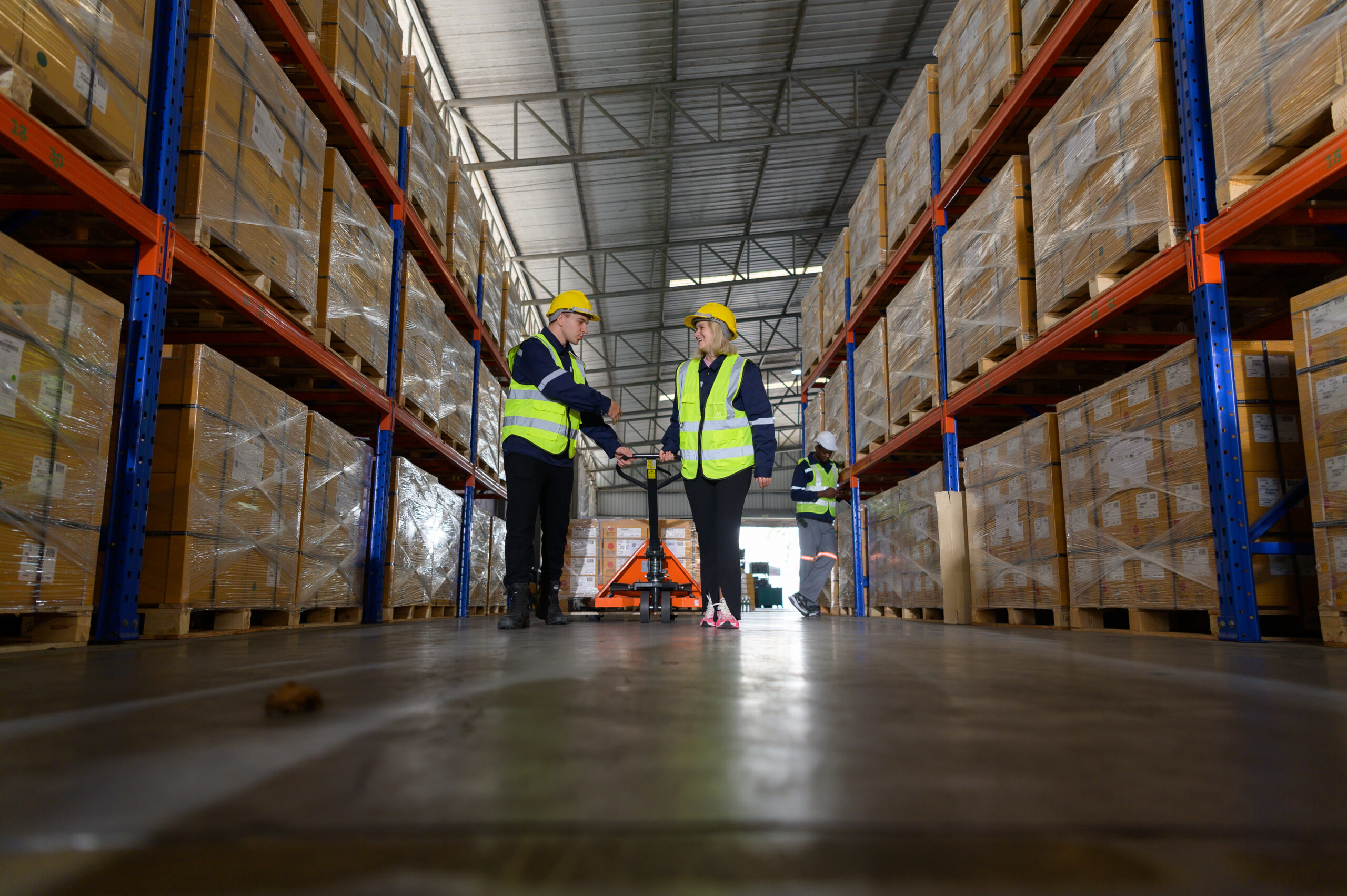
Warehouse operations continue to become more complex as businesses balance tighter delivery windows, rising freight costs, sustainability goals, and space constraints. A well planned storage strategy can transform productivity, reduce labor strain, and lower the total cost of operations. Thoughtful material handling choices, better warehouse layouts, and the right pallet system all play important roles in achieving reliable throughput and smoother inventory management.
The following guide shares practical methods used across logistics, manufacturing, agriculture, retail, and construction storage environments. It focuses on realistic improvements that help increase picking accuracy, reduce product damage, and streamline movement from receiving to dispatch.
Why Storage Strategy Matters for High Volume Operations
Poor warehouse organization leads to bottlenecks, wasted forklift travel time, and safety hazards. A McKinsey & Company supply chain study found that optimized warehouse design and handling systems can improve picking efficiency by 20 to 50 percent, depending on industry and order complexity. Labor is one of the largest contributors to warehouse cost, so gains in movement efficiency can have a measurable financial impact.
Businesses that reassess their warehouse strategy regularly typically see:
- Faster order fulfillment and fewer delays
- Lower product damage rates
- Reduced congestion for forklifts and walk paths
- Better utilization of available space
- More accurate inventory tracking
A strong storage system is also the foundation for robotics, automated conveyance, and warehouse management technology. Without a disciplined layout and standardized load handling tools, upgrades and automation become difficult to implement successfully.
Choosing The Right Pallet System For Your Storage Design
Pallet selection influences nearly every aspect of warehouse performance. Size, material, durability, and compatibility with racking affect how efficiently stock can be stored and moved. Many operations standardize by using new pallets that are uniform in dimension and strength to reduce loading time and equipment adjustment. Standardization helps ensure safe interaction with pallet jacks, forklifts, and automated units.
Choosing high quality new pallets can also support safer stacking heights, reduced product damage, and longer service life. For businesses handling products with strict compliance requirements such as pharmaceuticals or food distribution, using new pallets prevents contamination or hygiene concerns found in older or previously used load bases.
Pallet design decisions also require an understanding of load type, journey distance, humidity exposure, and weight distribution. For example, heavy manufacturing loads demand reinforced deck boards and stronger stringers, while display ready shipping often benefits from lighter, cleaner pallets suited for retail environments.
Pallets vs Skids And Their Role In Efficient Storage
Warehouses often use both pallets and skids depending on mobility needs and floor environment. Some storage layouts prefer skids for heavy static loads where items do not require repeated equipment movement. Others rely on pallets for rapid flow through receiving, put away, and dispatch. Understanding how each platform functions helps determine the right mix for zones within a facility.
For readers exploring whether pallets or skids suit their workflow better, the resource on what is the difference between a pallet and a skid provides a clear explanation of structure and use cases, along with practical selection tips. It supports planning discussions when tailoring warehouse systems for specific product categories or equipment fleets.
Planning A Warehouse Layout That Supports Consistent Flow
Many productivity problems stem from layout choices rather than equipment performance. Forklift drivers lose time weaving around obstacles or backtracking due to congested aisles. Visibility issues and narrow aisles also increase collision and injury risks.
Effective layouts share some common features:
- Clear zoning for receiving, staging, storage, picking, and dispatch
- Wide travel aisles aligned with the turning radius of site machinery
- Straight travel paths between high volume areas to reduce stops and starts
- Logically placed high velocity SKUs close to packing areas
- Racking designed to match forklift mast height and reach capabilities
A travel path study conducted by Material Handling & Logistics Magazine found that forklifts and walk pickers waste up to 30 percent of movement time due to poor routing and layout. Simple repositioning of frequently moved inventory can significantly improve throughput.
For businesses operating smaller facilities where storage height is limited, selective racking or horizontal expansion through mezzanine platforms can relieve congestion without major reconstruction.
Improving Inventory Accuracy With Slotting And Labeling Systems
Slotting refers to organizing inventory locations based on movement frequency, weight, and product compatibility. A well designed slotting plan reduces reaching strain, lifting accidents, and search time.
A strong slotting strategy includes:
- Identifying fast, medium, and slow moving SKUs
- Storing high velocity items in easily accessible ground or first rack positions
- Grouping items commonly ordered together to reduce travel distance
- Using bin labeling, barcode scanning, or RFID to track movement
Effective slotting can reduce picking labor costs significantly. A report from Conveyco Technologies estimates that engineered slotting programs improve picker productivity by 10 to 15 percent on average.
Building Flexibility Into Storage Systems
Market unpredictability and seasonal cycles require warehouse systems that can support scale and SKU variation without reducing efficiency. Flexible storage equipment and pallet standards allow product handling to shift without downtime.
Useful flexibility features include:
- Adjustable pallet racking with modular beam heights
- Movable shelving for small parts zones
- Mobile workstations that support packing and inspection
- Pallets designed for heavy or light loads without constant replacement
Businesses experiencing rapid growth often benefit from cross-training employees so that layout adjustments can be completed internally rather than waiting on external installers.
Reducing Damage And Safety Risks Through Better Load Handling
Damaged goods represent preventable costs. According to Packaging Digest research, product damage related to poor pallet support or unbalanced loads can cost businesses up to 4 percent of annual shipped volume. Standardizing pallet quality and training equipment users prevents load collapse, punctured packaging, and carrier rejections.
Best practices include:
- Inspecting deck boards and stringers for cracks or separation
- Centering load weight to prevent tipping
- Ensuring forks fully enter pallets before lifting
- Avoiding stacking heights that exceed engineered limits
- Replacing platforms showing wear faster than scheduled rotations
Using the right pallet is essential, but so is reinforcing safety culture through frequent training refreshers and simplified workplace signage.
Sustainability Considerations In Warehouse Storage Decisions
Environmental responsibility influences more procurement and logistics decisions each year. Pallet choice, packaging, and general material handling design can contribute to sustainability performance.
Common ways to reduce waste and energy use include:
- Implementing repair and refurbishment programs
- Standardizing pallet size to reduce transport trips
- Reducing excessive packing layers by improving load stability
- Selecting reusable packaging for closed loop shipping networks
- Using automation or conveyors to minimize forklift emissions
Some companies adopt hybrid programs combining hardwood, softwood, and plastic pallets depending on application. Accurate lifecycle analysis helps determine true cost beyond initial purchase price.
Aligning Storage Strategy With Technology And Workforce
Digital tools and automated equipment work best when product flows are predictable. Warehouse Management Systems, barcode scanners, and inventory robotics require structured slotting plans and consistent pallet standards to operate correctly. A messy or inconsistent environment prevents accuracy and slows automation adoption.
However, storage strategy also needs to reflect workforce ability and experience. Design should reduce repetitive strain, make safety intuitive, and remove unnecessary complexity. The best results come when planning teams include forklift operators, pickers, and supervisors along with engineers and management.
When To Reassess Your Storage System
Signs that layout and load handling need review:
- Frequent forklift congestion or idling wait time
- Growing backlog at staging or packing zones
- Increase in product damage or returns
- Rising labor hours without an increase in volume
- Difficulty locating stock or inconsistent counts
- Unsafe stacking practices to compensate for limited space
A structured evaluation every 12 to 18 months gives room for controlled improvement rather than emergency-level reconfiguration.
Looking Ahead
Warehouses that invest in better load handling, optimized layouts, and smart pallet choices position themselves for smoother growth, safer workplaces, and better profitability. Starting with something as foundational as pallet quality and storage structure can unlock meaningful performance improvements across all areas of the facility.
When operational needs shift, the right handling systems and smart layout choices help businesses adapt without sacrificing speed or safety.
Better engineered storage sets the pace for reliable supply chain performance, greater customer satisfaction, and consistent inventory flow. Thoughtful planning keeps goods moving efficiently and staff working confidently.
If you would like support selecting the right pallet system or upgrading warehouse storage, consulting with a material handling specialist or pallet supplier can be a helpful step.

Comments are closed.