
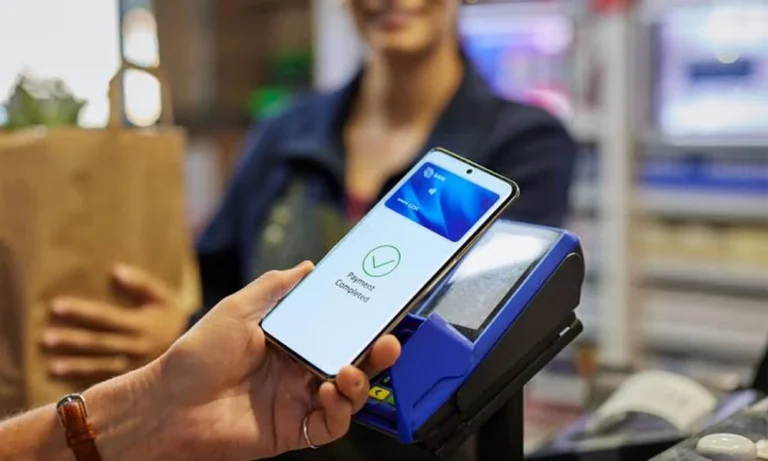
Digital wallets have become part of everyday financial activity because they can make routine payments faster and easier to track. From small purchases and recharges to merchant payments and recurring expenses, they can help users manage frequent transactions without relying entirely on cash.
Their real usefulness, however, goes beyond convenience.
When used with a clear financial routine, digital wallets can help users separate spending from savings, observe transaction patterns, manage recurring expenses, and maintain better awareness of where money is going.
The key is to use them as part of a broader money system rather than as an isolated payment tool.
Start By Separating Spending From Saving
One of the most useful financial habits is to keep short-term spending and long-term saving mentally separate.
Digital wallets can support this by handling everyday transactions while savings remain allocated elsewhere.
For example, users may keep money for:
- Groceries
- Transport
- Small purchases
- Entertainment
- Recharges
within their regular spending budget.
Meanwhile, money set aside for longer-term goals can remain untouched.
This separation makes it easier to avoid spending funds that were meant for future needs.
Use Wallet Activity To Understand Spending Patterns
Every digital transaction creates a record.
Over time, this can reveal useful patterns.
Users may notice that most spending goes toward:
- Food
- Travel
- Shopping
- Subscriptions
- Small daily purchases
These patterns are often harder to notice when payments are made in cash.
A transaction history can make frequent small expenses more visible.
Set A Monthly Limit For Discretionary Spending
A simple way to use digital wallets more effectively is to decide how much money can be spent on non-essential purchases each month.
This does not need to be extremely restrictive.
The goal is to create a reference point.
If spending approaches the limit early in the month, the user can adjust before the budget is exceeded.
This is more useful than discovering overspending after the month ends.
Keep Essential Payments Separate From Casual Purchases
Some expenses must be paid regardless of lifestyle choices.
These may include:
- Rent
- Insurance
- Utility bills
- Education costs
- Loan repayments
Users should avoid allowing casual spending to reduce funds reserved for these obligations.
A digital payment routine works best when essential commitments are prioritised first.
Review Small Payments More Often
Large purchases are usually remembered.
Small digital transactions are easier to forget.
A few low-value payments each day may appear insignificant, but they can become a large monthly expense.
A weekly review can help identify:
- Repeated food orders
- Transport costs
- Convenience purchases
- Subscription charges
This creates better spending awareness without requiring constant monitoring.
Use Wallets For Planned Payments
Digital wallets can be useful when payments are predictable.
For example:
- Monthly recharges
- Regular merchant payments
- Household expenses
- Subscription renewals
Planning these transactions in advance helps users understand how much disposable money remains.
This can reduce the tendency to treat the full bank balance as available spending money.
Avoid Confusing Payment Convenience With Affordability
Digital payments reduce friction.
That can make a purchase feel easier even when it is not financially sensible.
Before completing an optional purchase, users can ask:
- Do I actually need this
- Is it already within my budget
- Will this affect another financial goal
The speed of the payment should not determine whether the expense is affordable.
Keep Savings Products Outside Daily Spending Decisions
Users may also maintain savings through instruments such as an fd while using digital wallets for everyday payments. Keeping these two purposes separate can help prevent short-term spending from interfering with money reserved for planned goals.
The wallet can serve daily liquidity needs.
Savings products can support medium- or longer-term objectives.
This separation creates clearer financial boundaries.
Review Wallet Balances Regularly
Users should know how much money is available before making frequent payments.
A regular balance check can help prevent:
- Failed transactions
- Unexpected shortages
- Overspending
It can also help users decide when to add funds or when to reduce discretionary purchases.
Financial visibility is easier when balances are checked intentionally rather than only after a payment fails.
Protect Login And Payment Credentials
Digital wallets contain sensitive financial information.
Users should protect:
- Login credentials
- PINs
- OTPs
- Device access
These details should never be shared casually.
Official support channels should be used if help is required.
Security habits are an essential part of digital money management.
Use Device Security Properly
The safety of a digital wallet also depends on the security of the mobile device.
Useful steps include:
- Using screen lock
- Enabling biometric access where available
- Keeping software updated
- Avoiding unknown apps
- Using official app stores
If the device is lost, financial accounts should be secured quickly.
The wallet should not be treated differently from other financial applications.
Check Recipient Details Before Sending Money
Fast digital payments can make mistakes easy if the recipient is not verified.
- Name
- Account or payment identifier
- Amount
- Purpose
This is particularly important for first-time recipients.
A few seconds of verification can prevent unnecessary recovery efforts.
Avoid Holding More Than Necessary For Daily Use
Users do not always need to keep large amounts available for everyday spending.
Keeping only the amount required for routine payments can help reduce impulsive purchases.
The remaining money can be allocated toward:
- Savings
- Investments
- Emergency funds
- Planned expenses
This creates a clearer separation between available spending money and financial reserves.
Track Recurring Subscriptions
Subscriptions are easy to forget because they may renew automatically.
Digital wallet or payment history can help users identify:
- Entertainment subscriptions
- App memberships
- Software charges
- Other recurring services
If a service is no longer useful, cancelling it can free up monthly cash flow.
Small recurring costs deserve periodic review.
Build A Weekly Money Check-In
A short weekly review can be enough to improve digital spending habits.
Users can check:
- Total wallet spending
- Largest expense categories
- Upcoming payments
- Remaining discretionary budget
This routine does not need to take long.
Consistency matters more than complexity.
Use Monthly Trends To Improve The Next Budget
At the end of each month, compare actual spending with the original plan.
Useful questions include:
- Which category exceeded expectations
- Were there unnecessary purchases
- Did recurring payments increase
- Was enough money saved
This information can improve the following month’s budget.
Over time, digital payment history becomes a useful financial planning tool.
Keep Emergency Money Separate
Emergency funds should ideally remain available for genuine unexpected needs.
They should not be gradually spent through routine wallet transactions.
Users can separate emergency reserves from everyday spending accounts to reduce accidental use.
This makes it easier to preserve money for:
- Medical emergencies
- Income interruption
- Urgent repairs
Clear boundaries help protect long-term financial stability.
Avoid Letting Offers Drive Spending
Digital wallets may occasionally include rewards or promotional offers.
These can be useful when attached to planned transactions.
However, users should avoid spending more simply to receive a discount or cashback.
An offer creates value only if the purchase was already necessary.
Otherwise, the reward may encourage unnecessary expenditure.
Reassess The Wallet Role As Financial Needs Change
The way a person uses digital payments may change over time.
For example:
- Household expenses may increase
- Income may change
- Savings goals may become more important
- New recurring commitments may appear
The digital wallet should adapt to these changes.
A payment routine that worked earlier may need adjustment later.
Conclusion
Digital wallets can support better everyday money organisation when they are used with clear spending limits, regular reviews, secure habits, and separation between daily expenses and longer-term savings.
Their greatest value is not simply faster transactions. It is the ability to make spending patterns more visible and easier to manage.
By keeping essential payments, discretionary spending, savings, and emergency money clearly separated, users can make digital payments work as part of a more organised financial routine.
FAQs
1. How Can Digital Wallets Help With Budgeting
They can provide transaction records that help users track spending, identify recurring expenses, and compare actual spending with monthly limits.
2. Should I Keep All My Money In A Digital Wallet
Not necessarily. It can be useful to keep only the amount required for regular transactions while allocating savings and emergency funds separately.
3. Are Digital Wallets Safe For Everyday Use
They can be used securely when users protect their credentials, secure their devices, verify recipients, and use official applications.
4. How Often Should I Review Digital Wallet Transactions
A weekly review can help identify spending patterns, while a monthly review can support broader budgeting decisions.
5. Can Digital Wallets Help Reduce Overspending
They can help by making transaction history visible, but users still need to set spending limits and avoid unnecessary purchases.